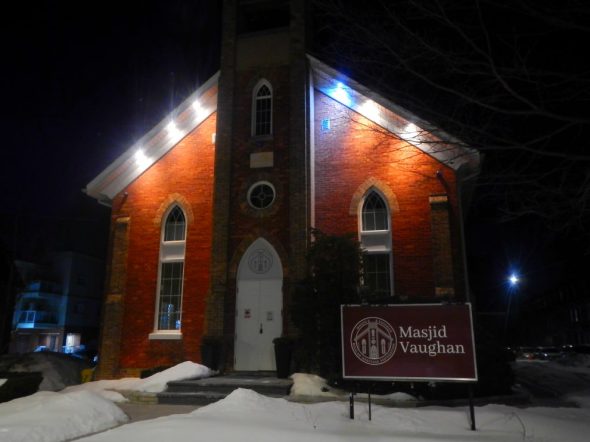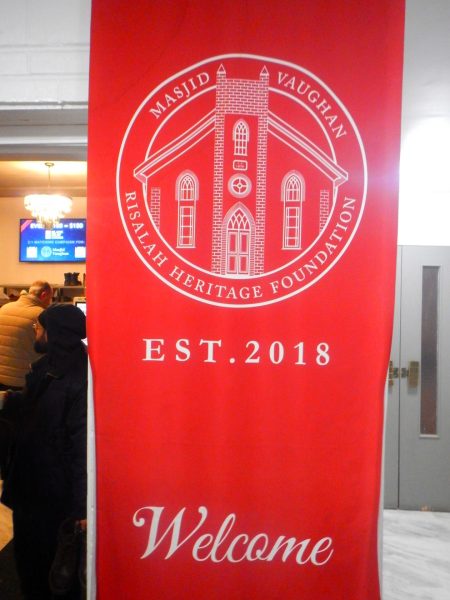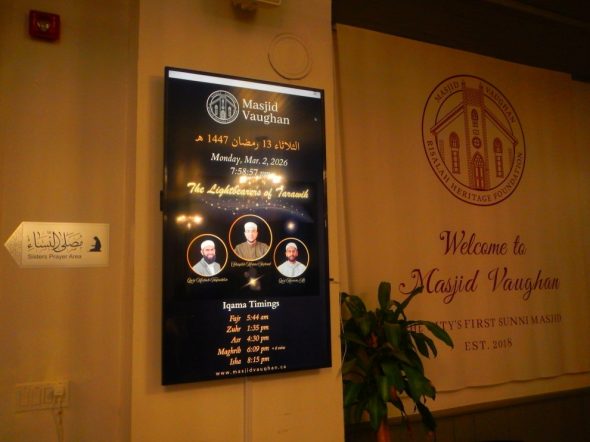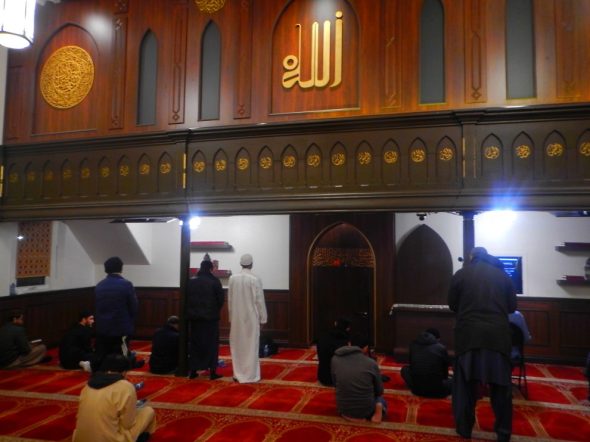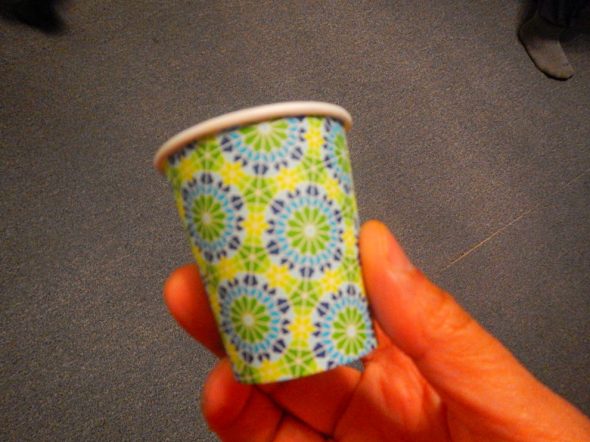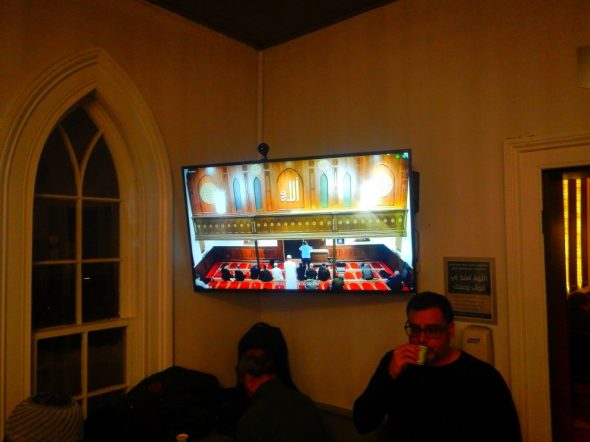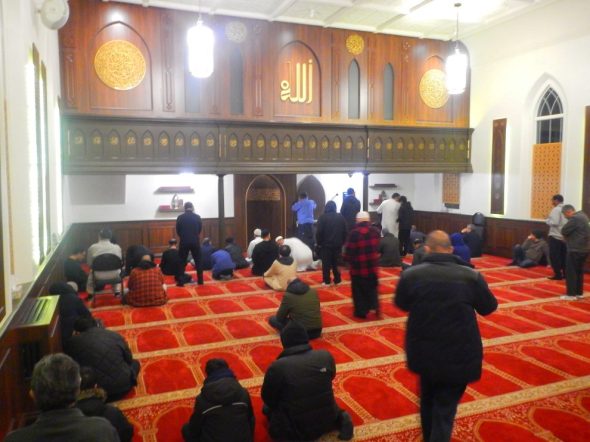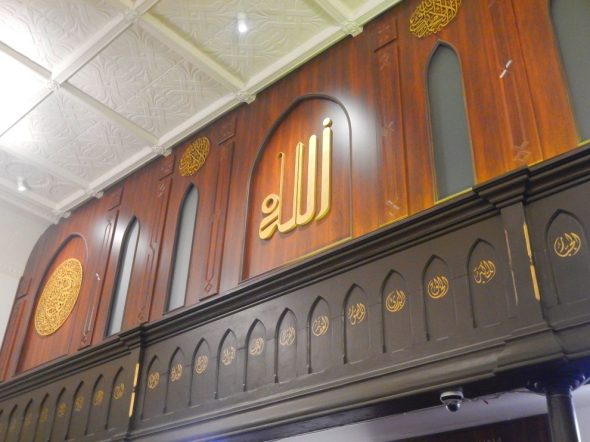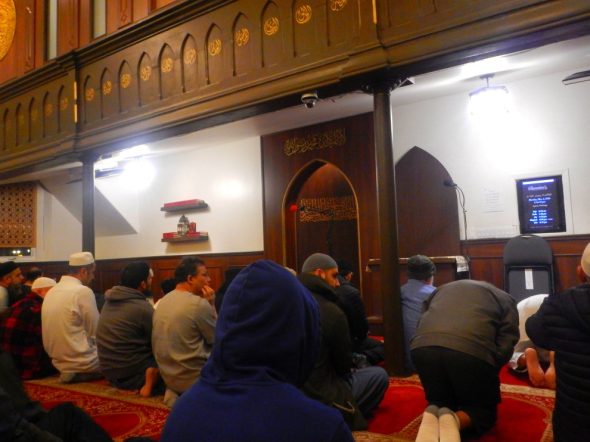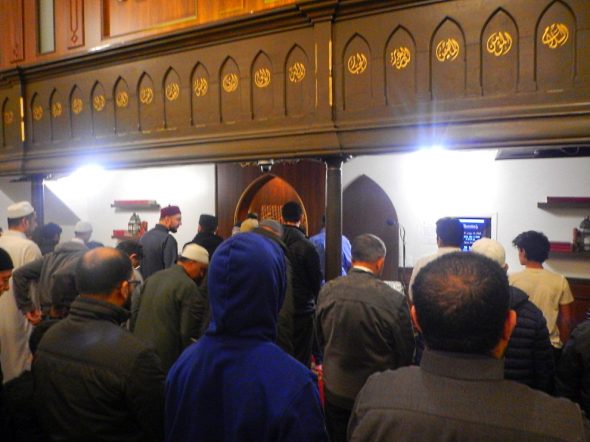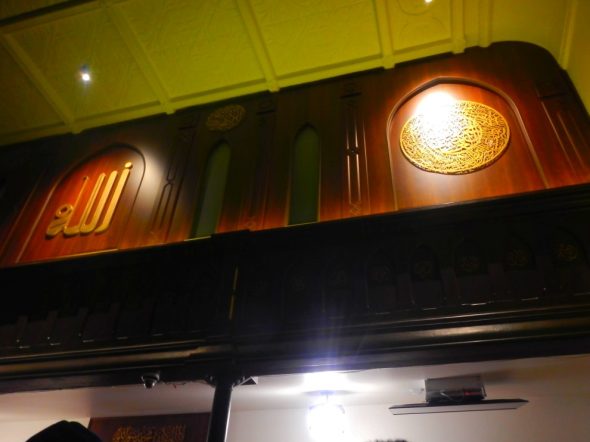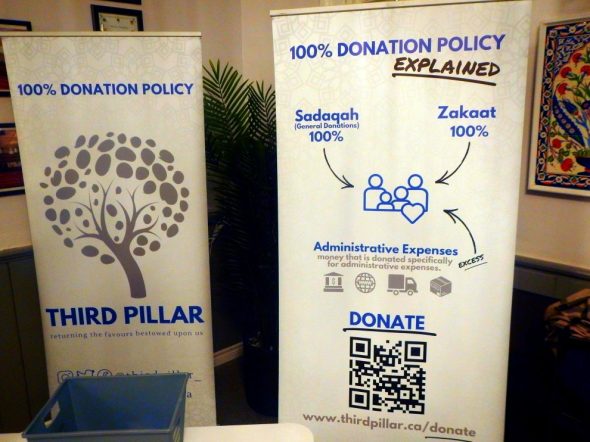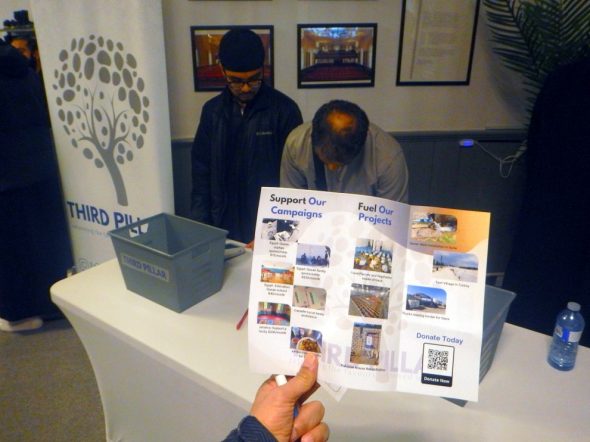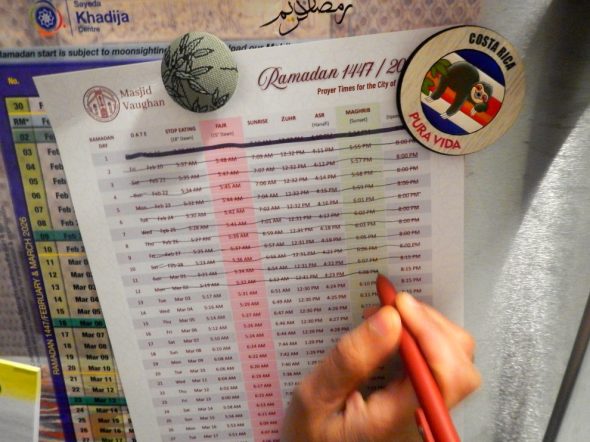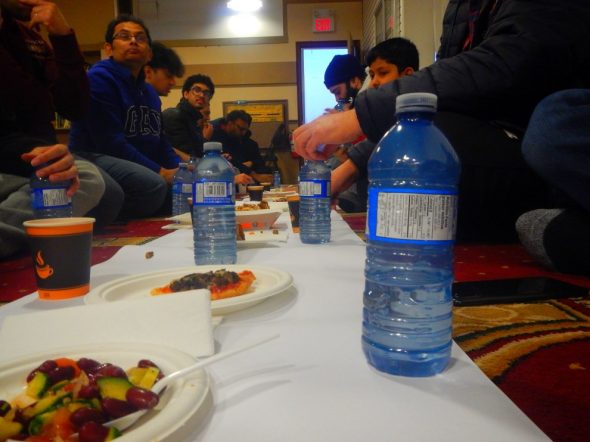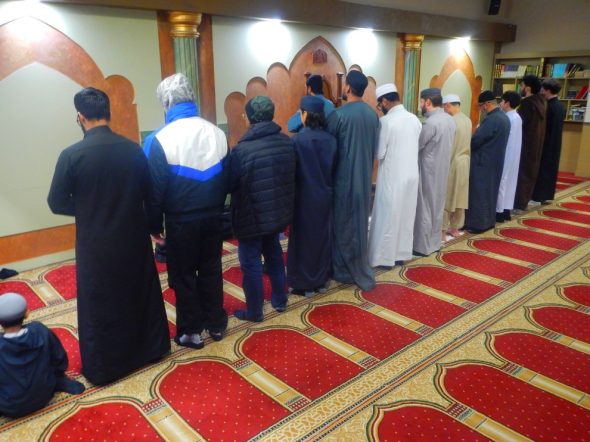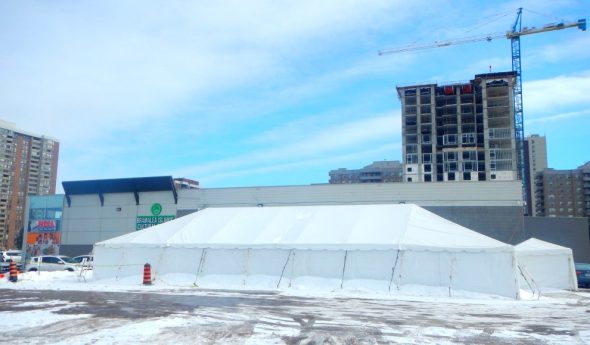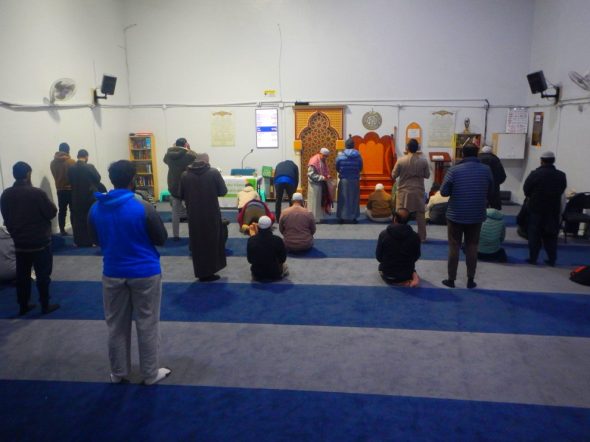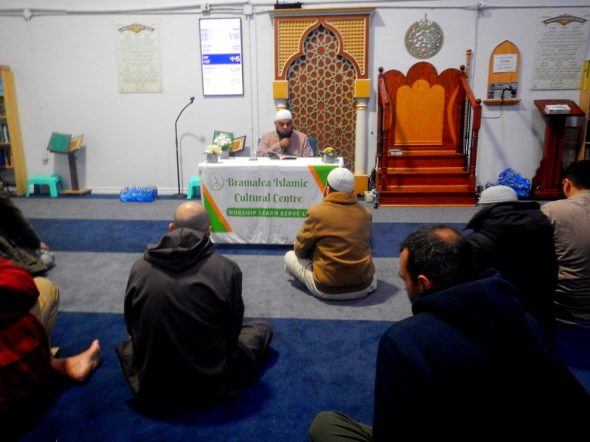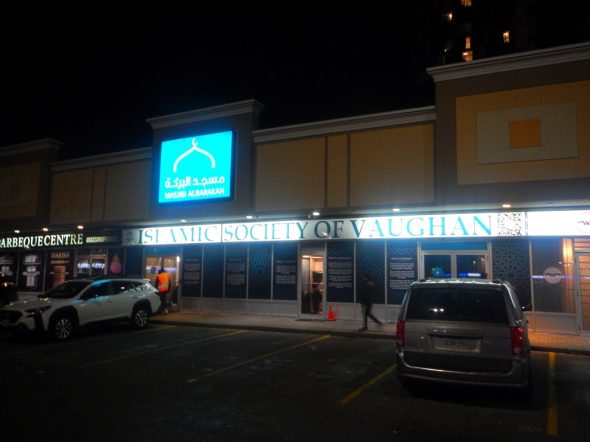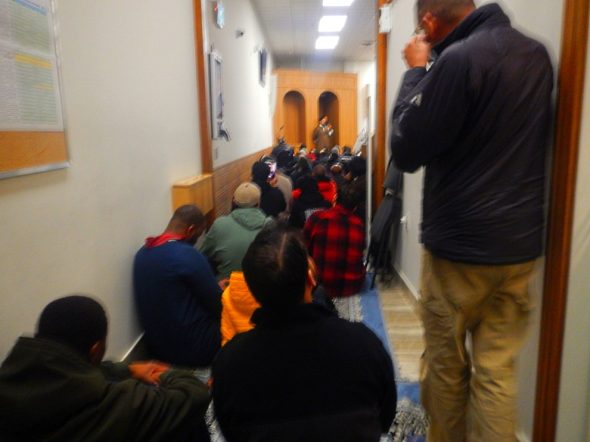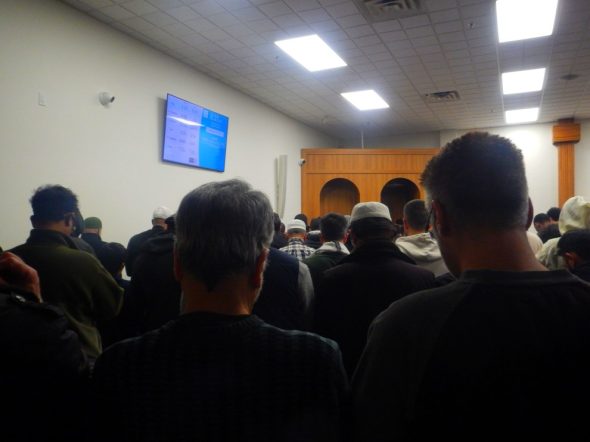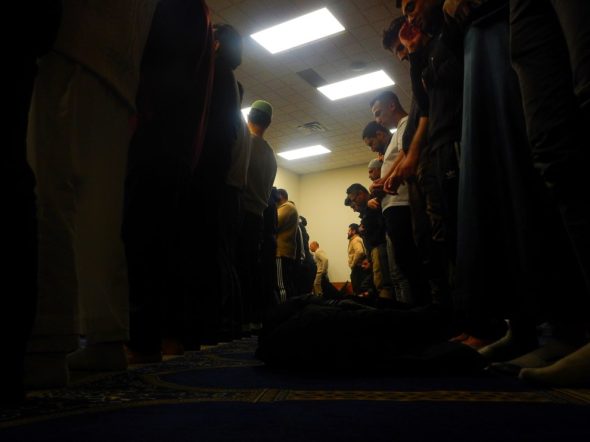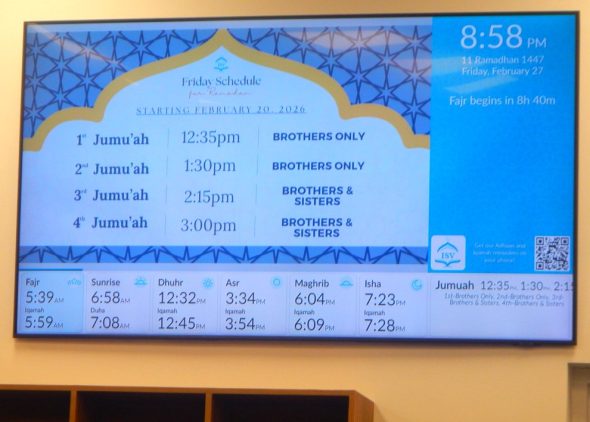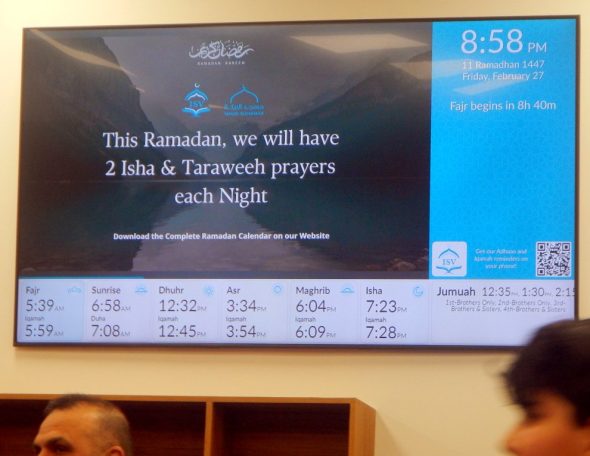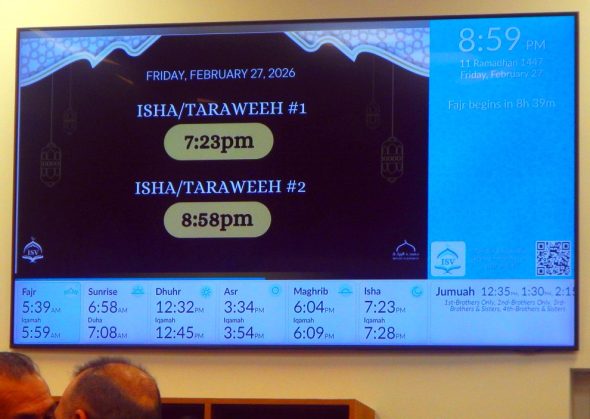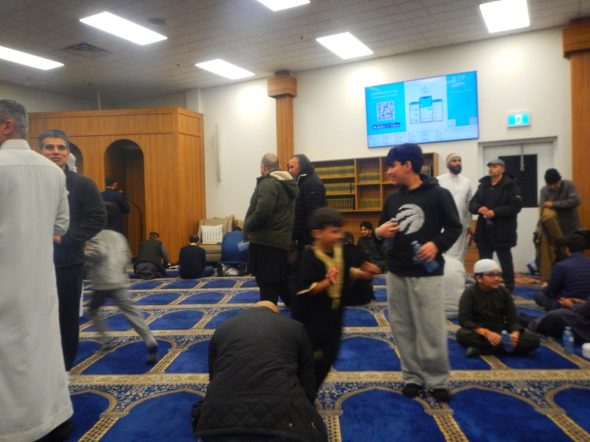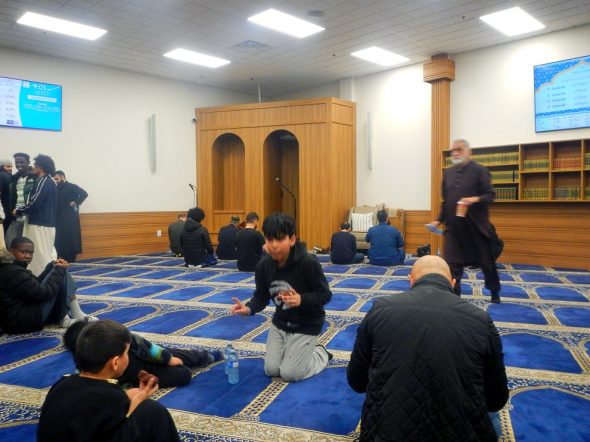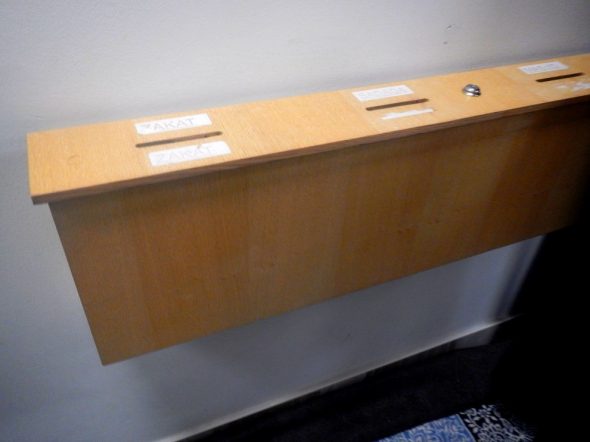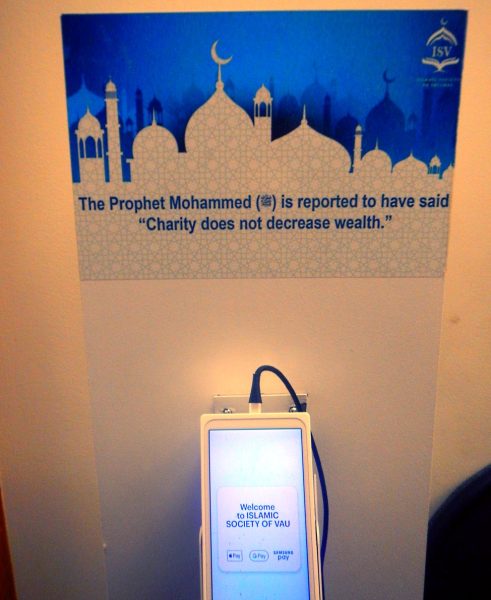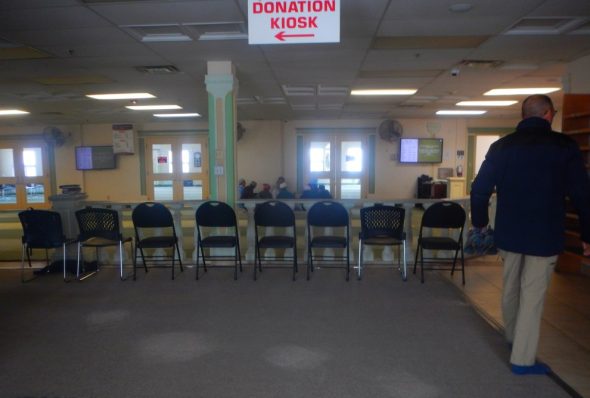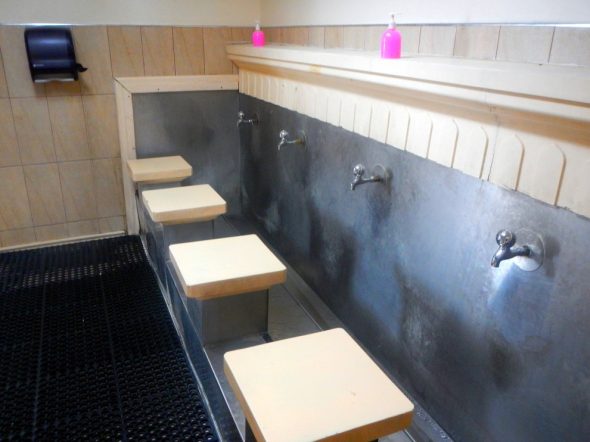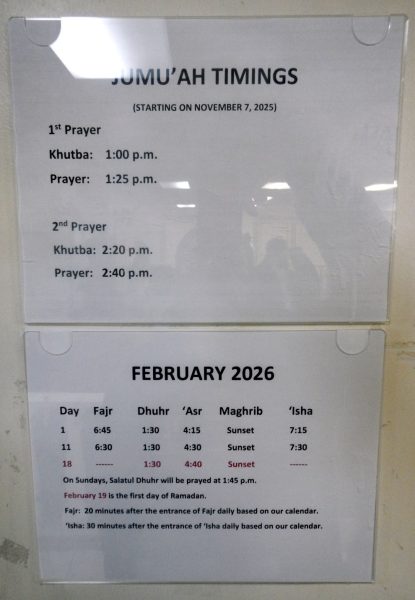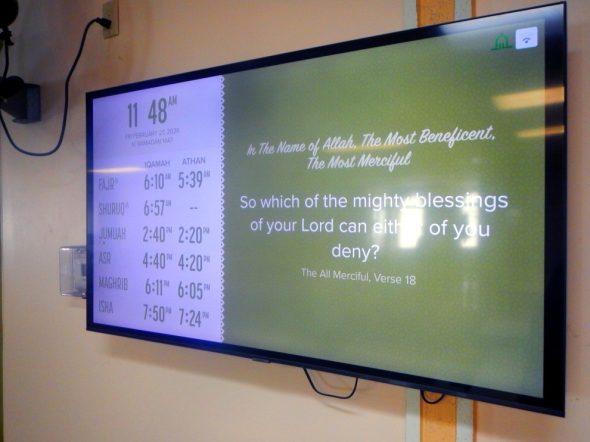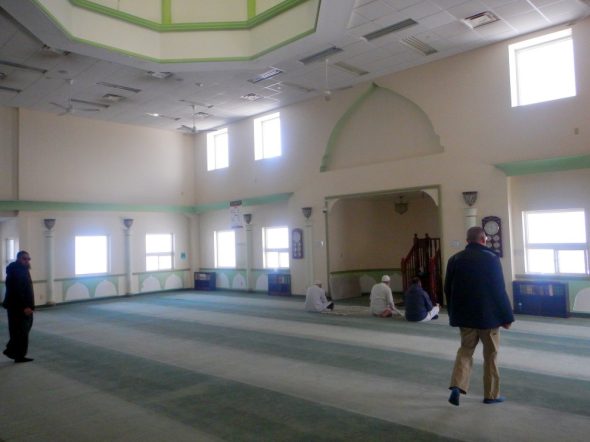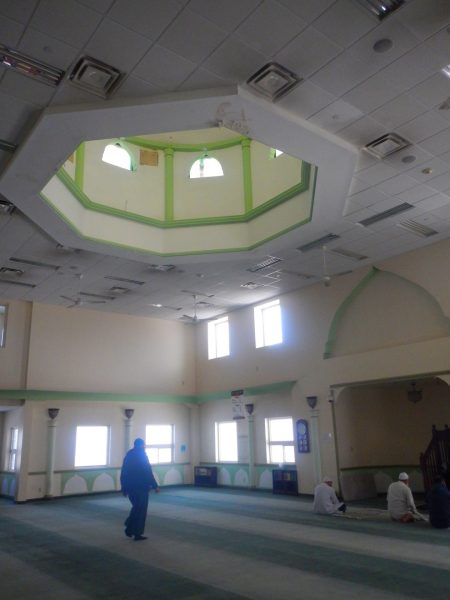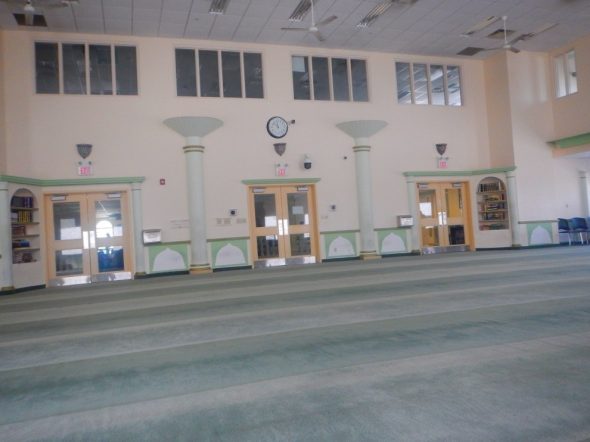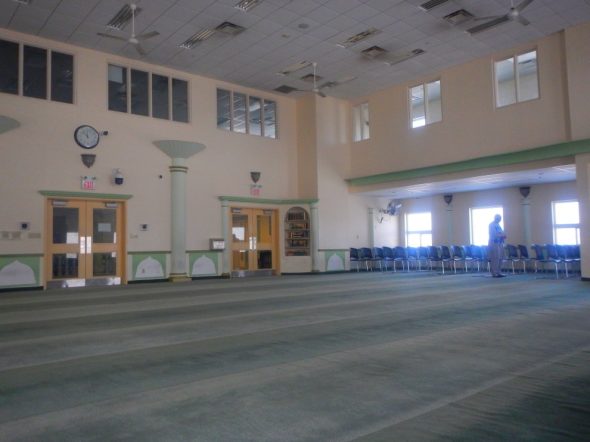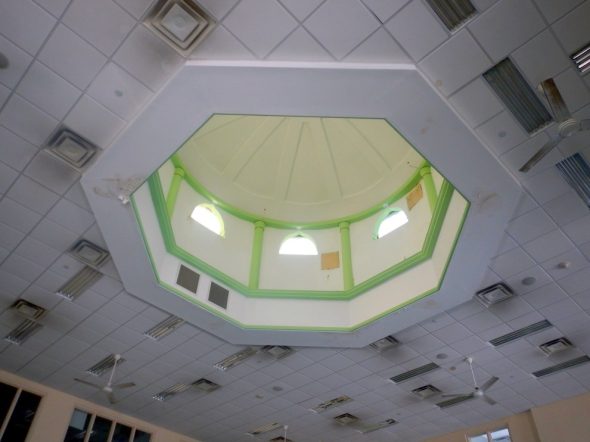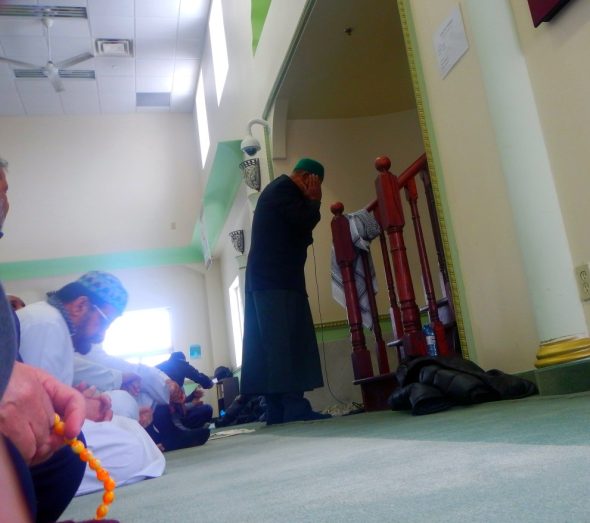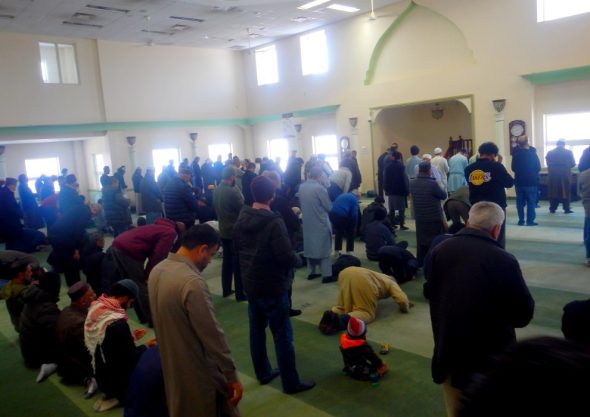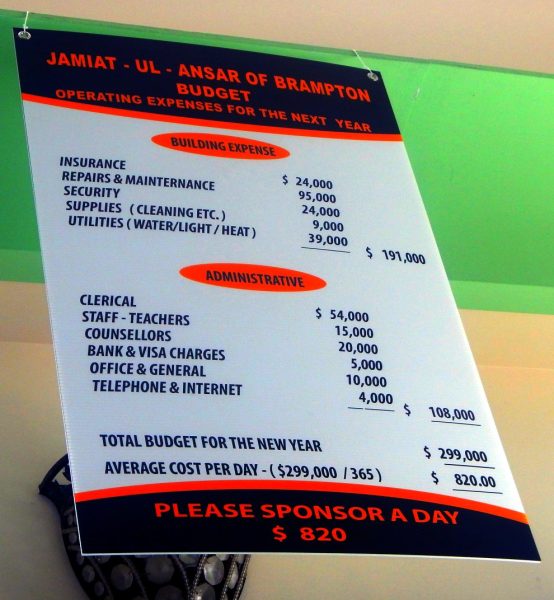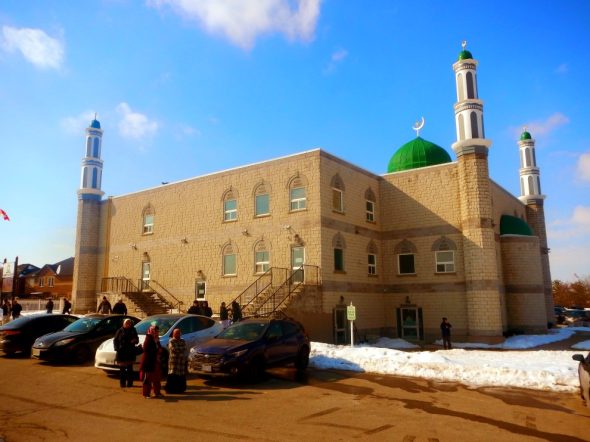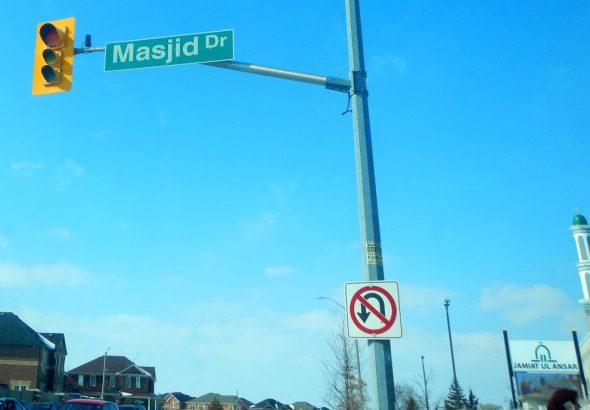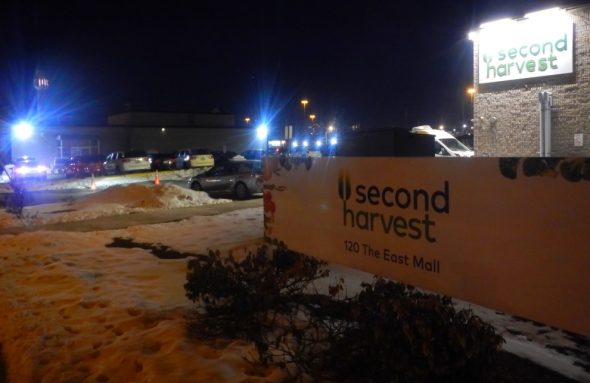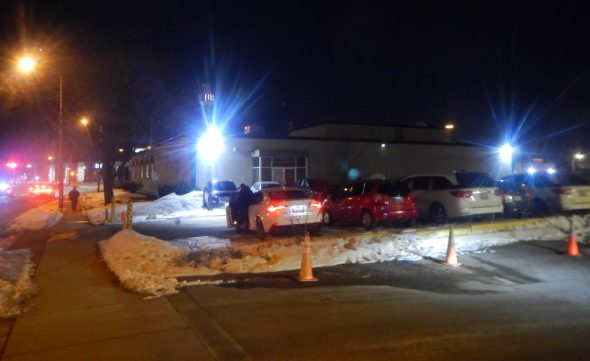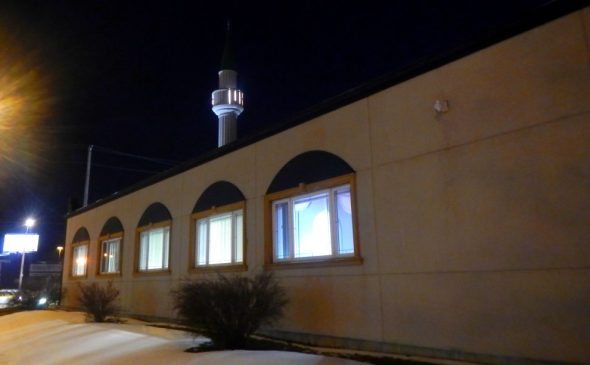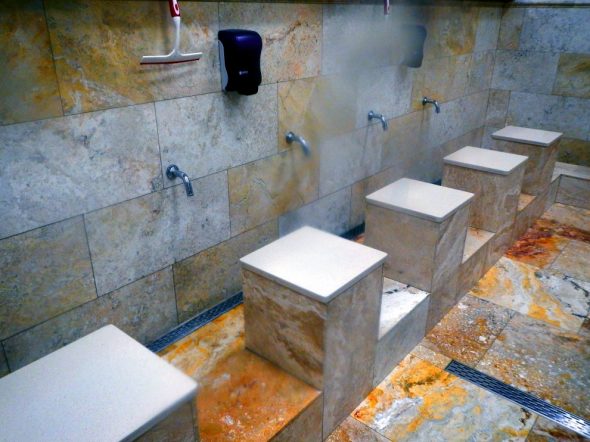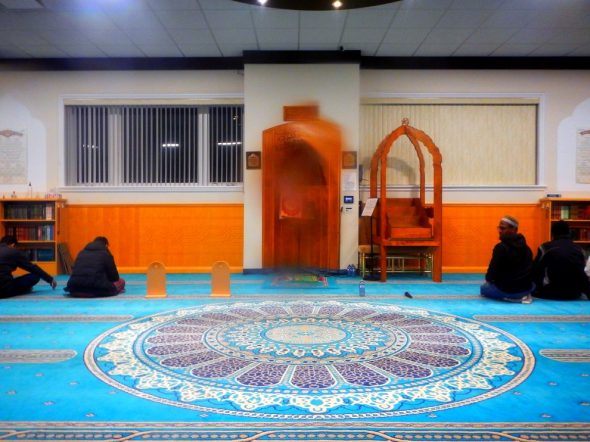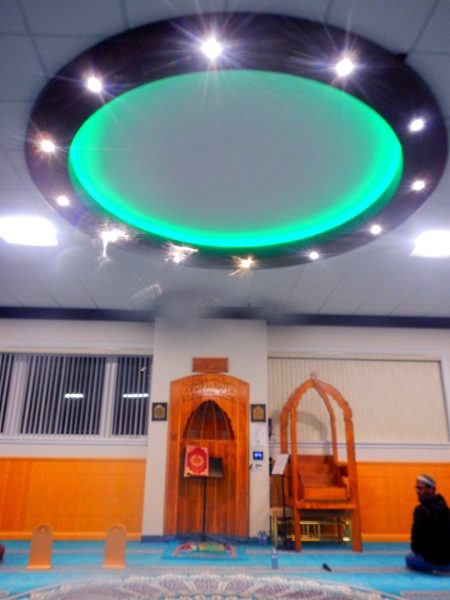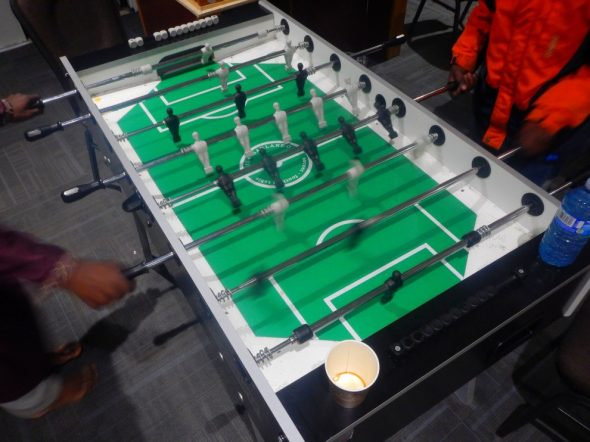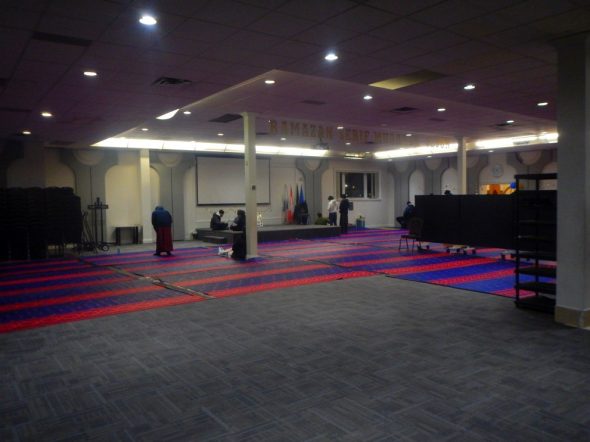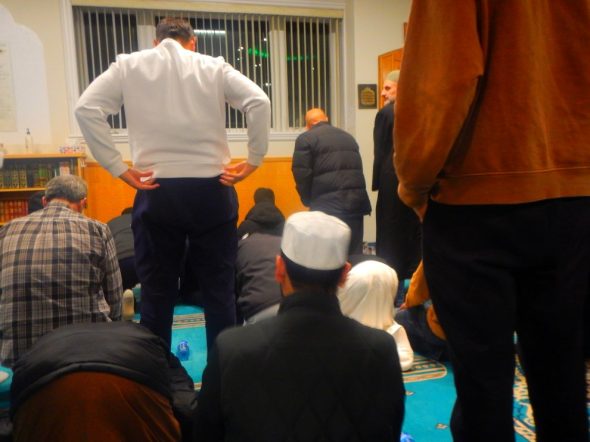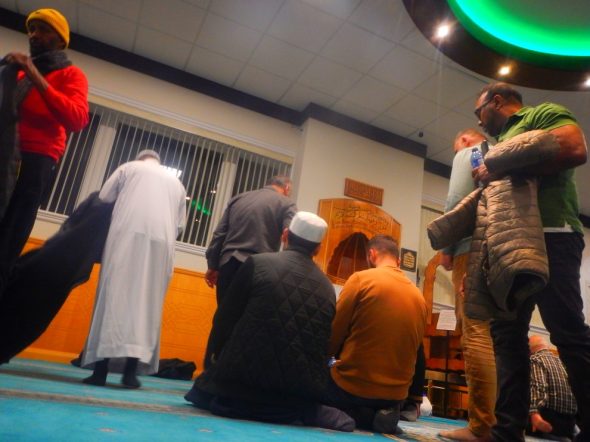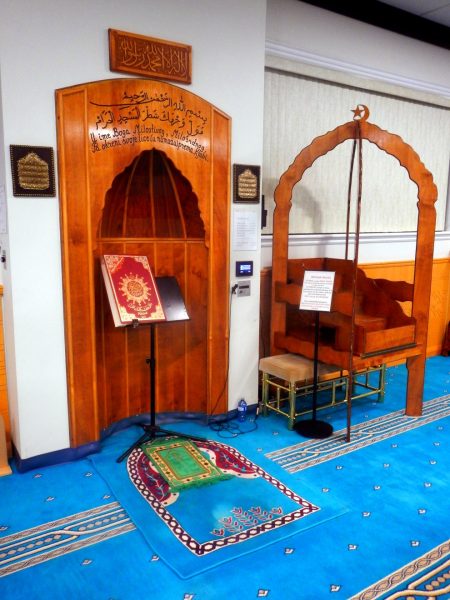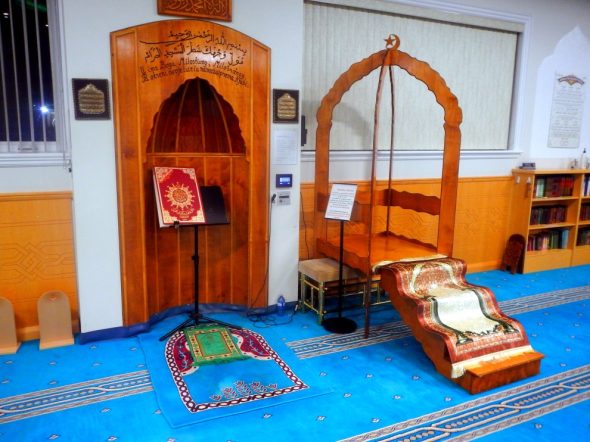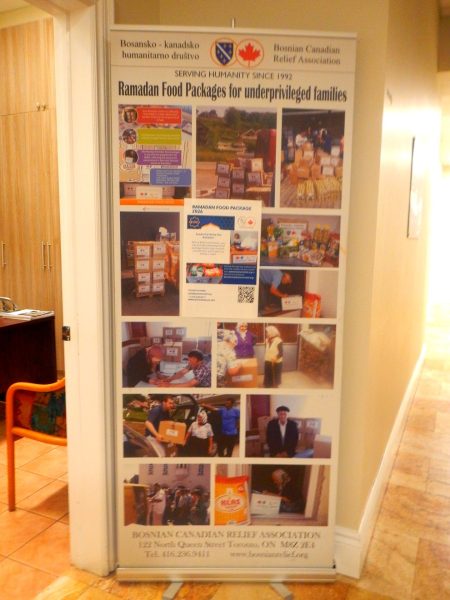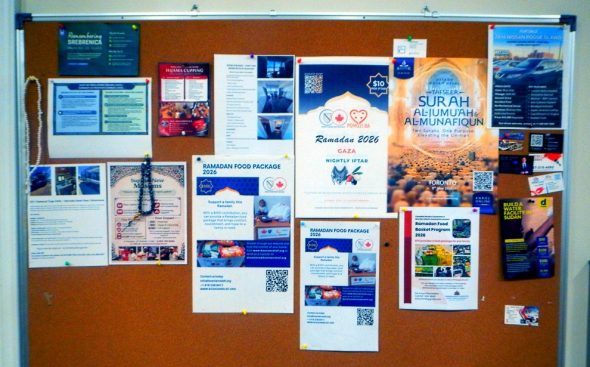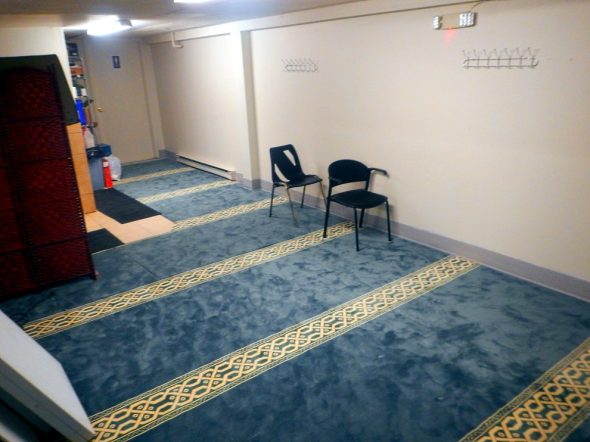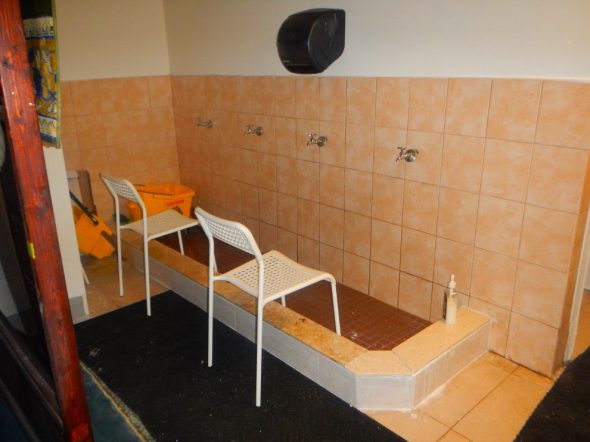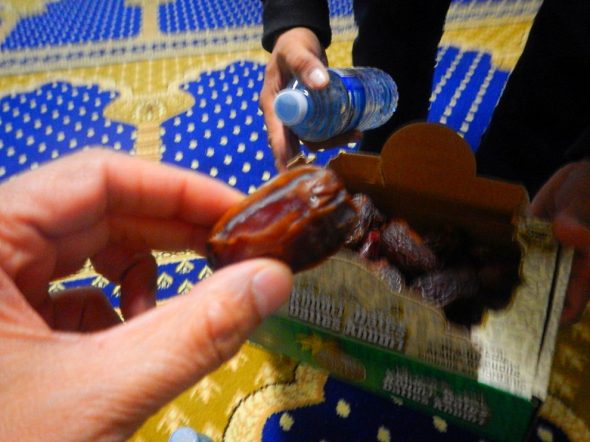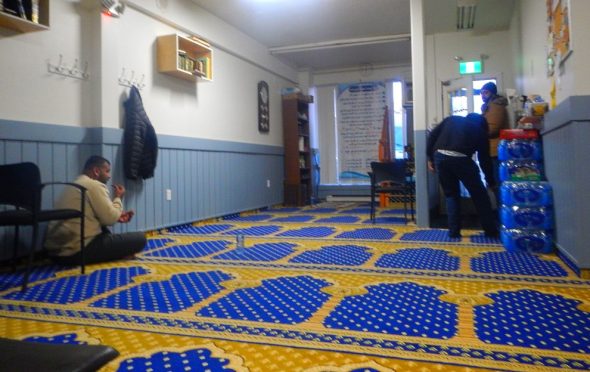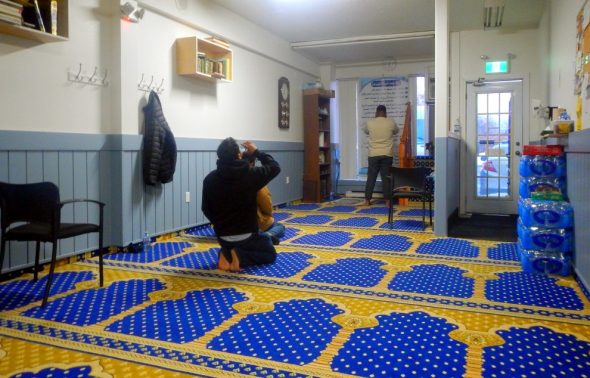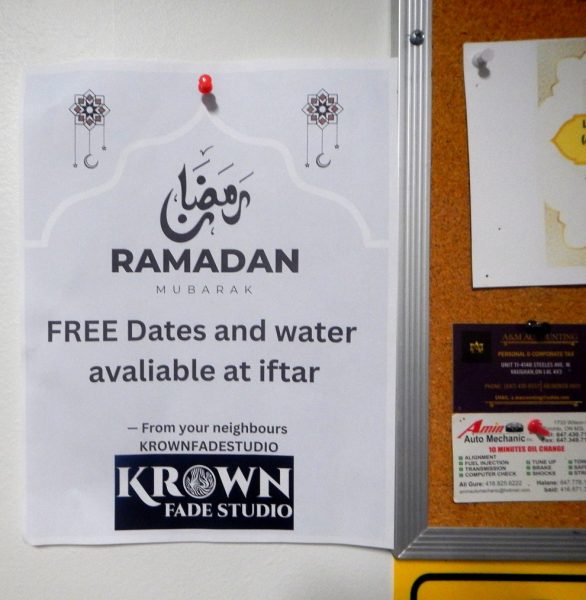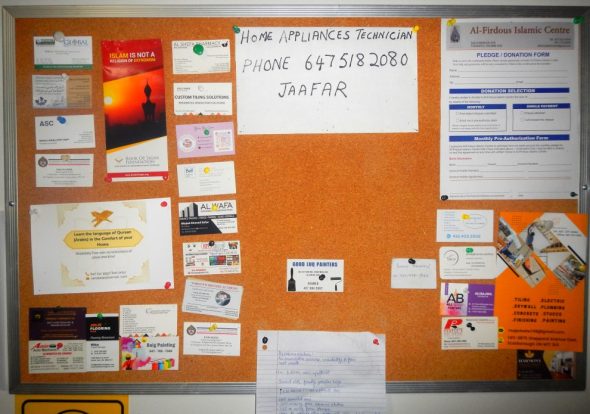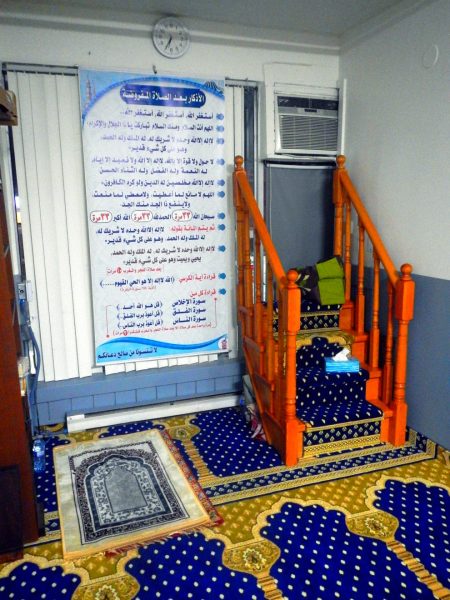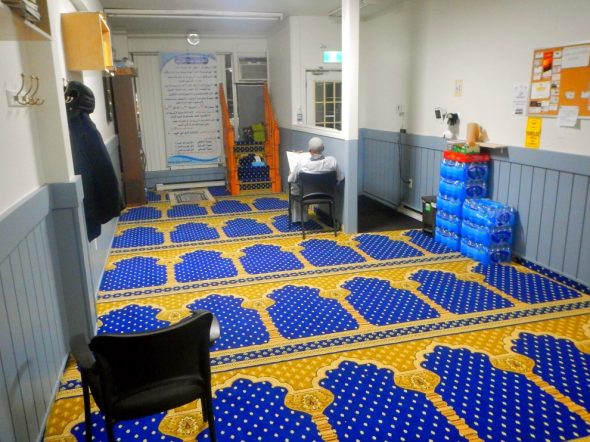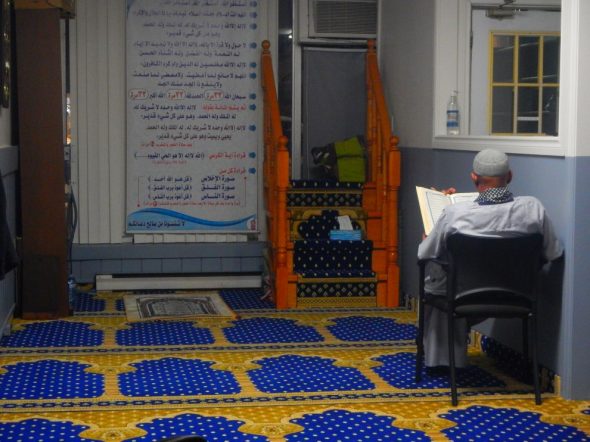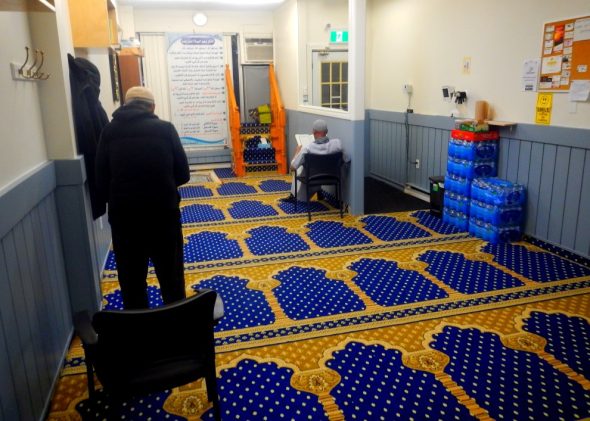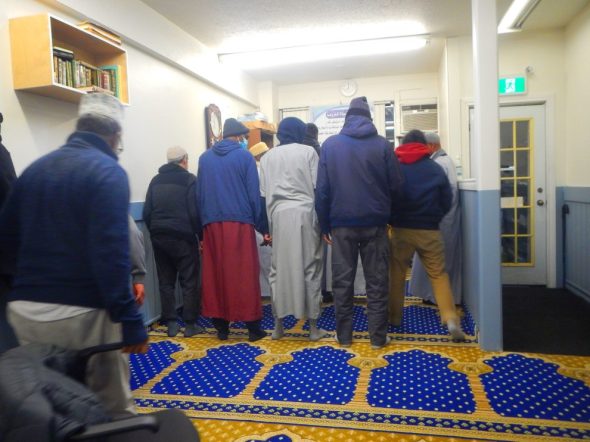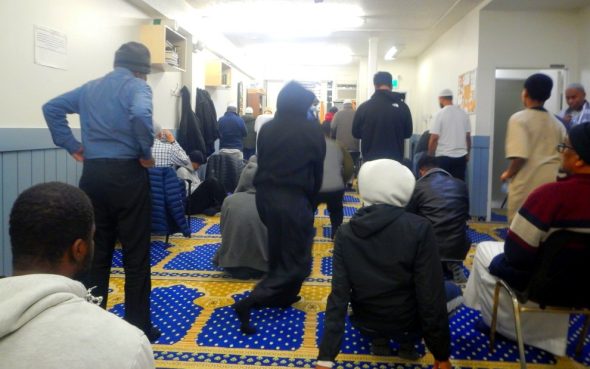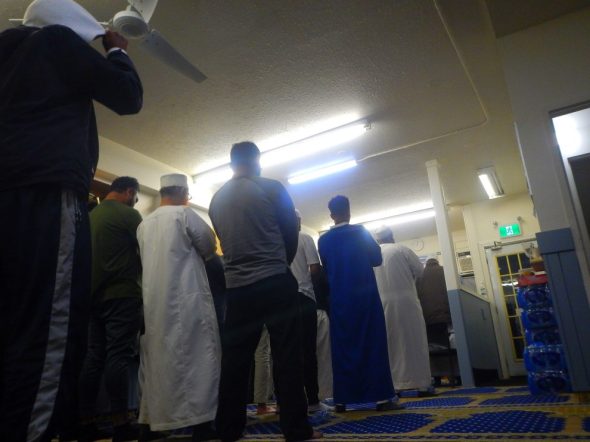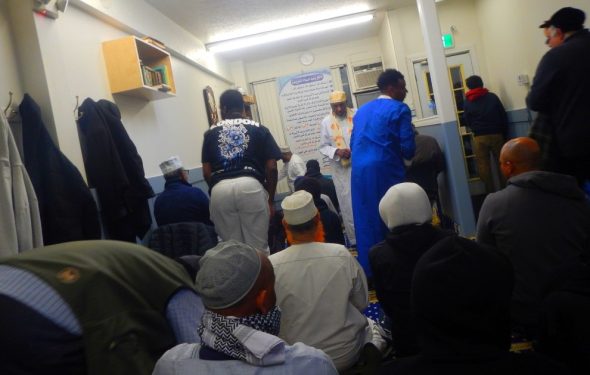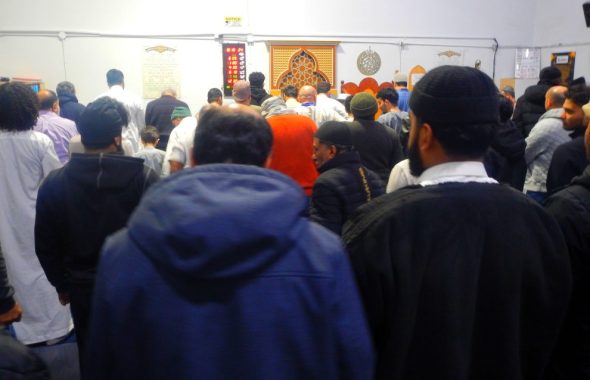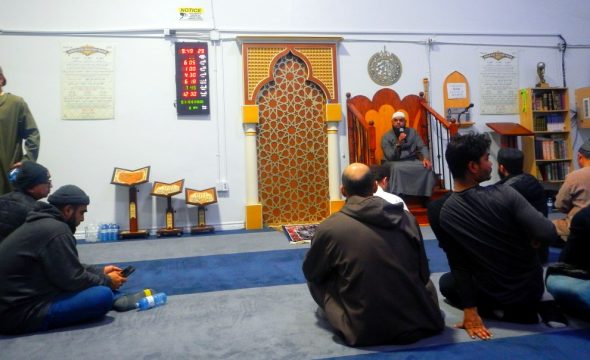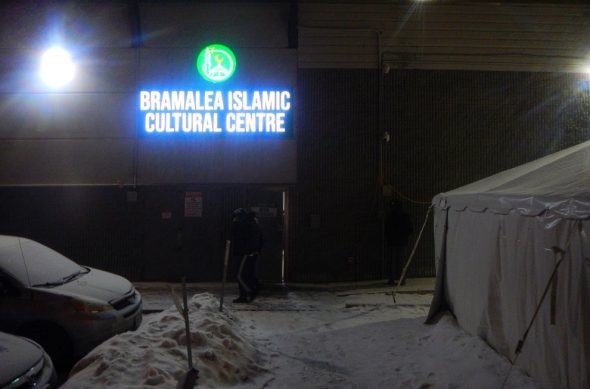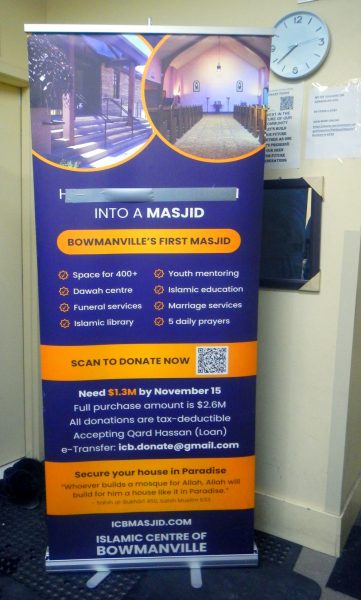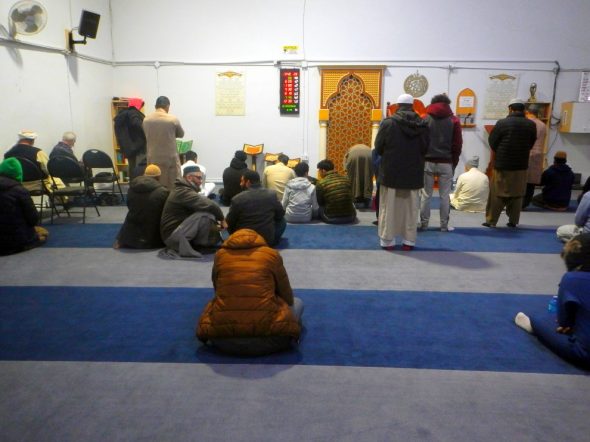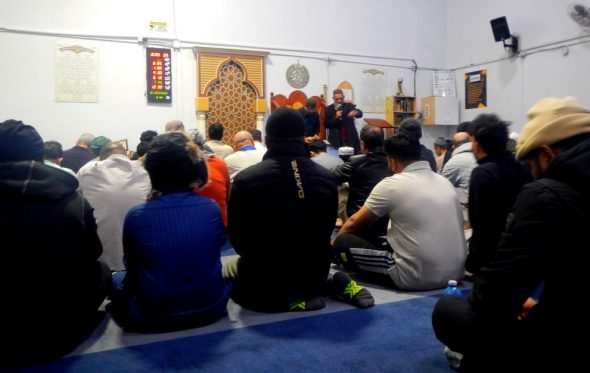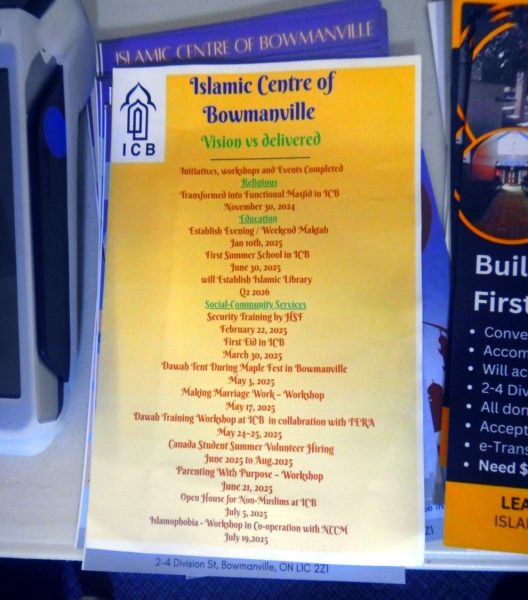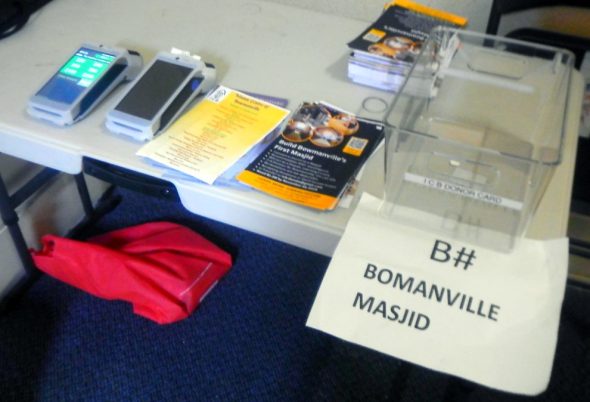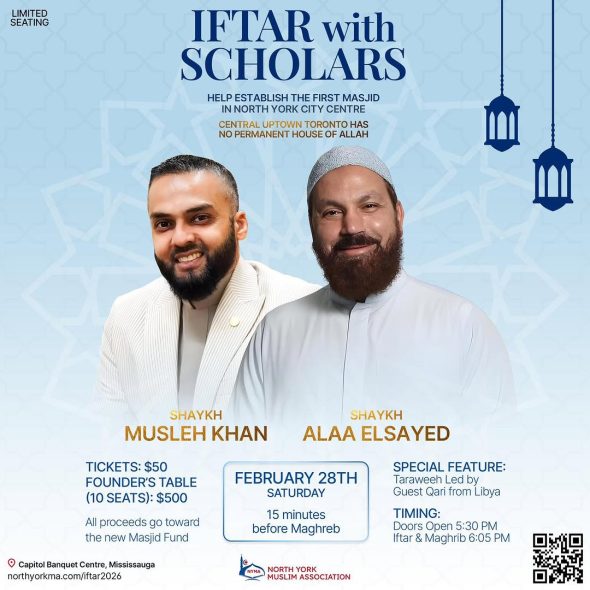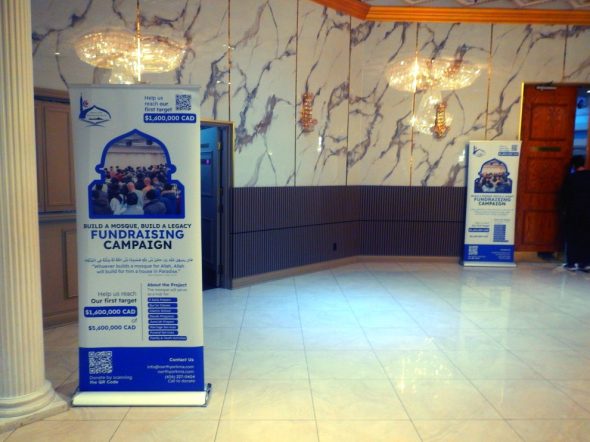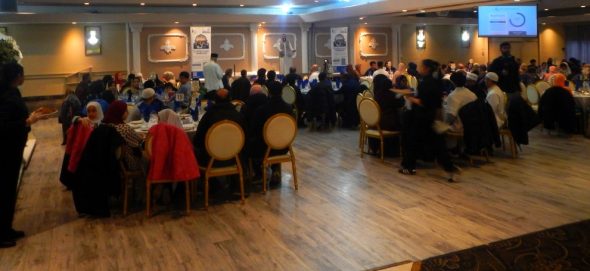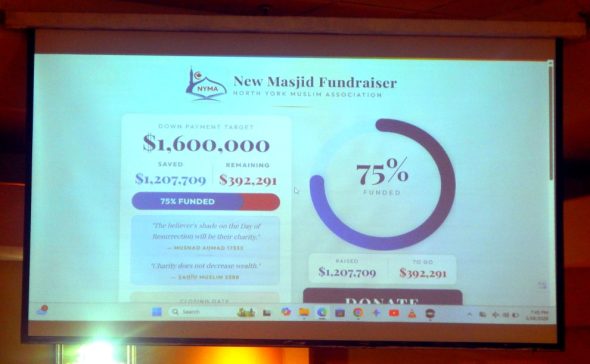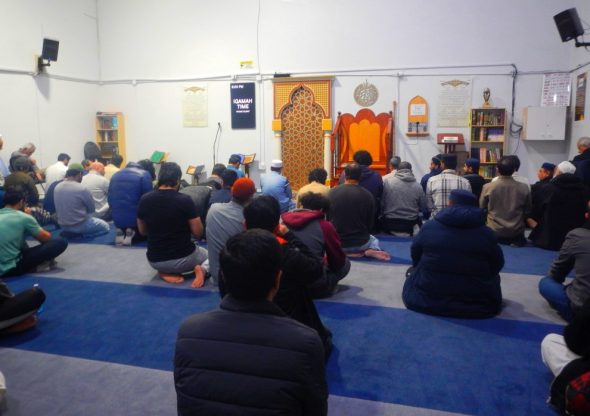
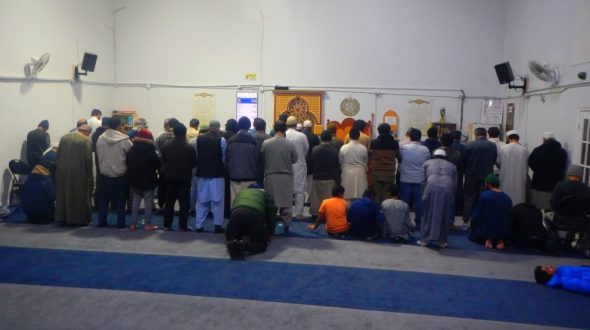
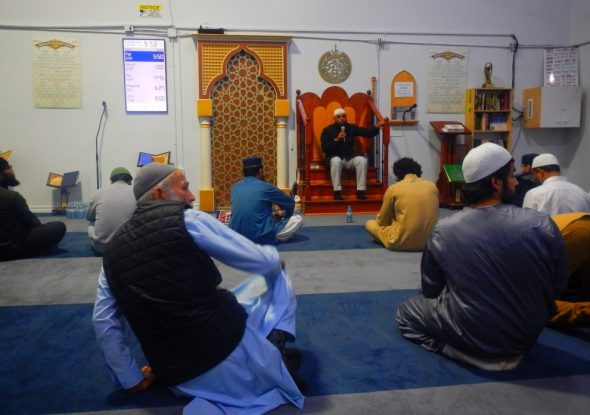
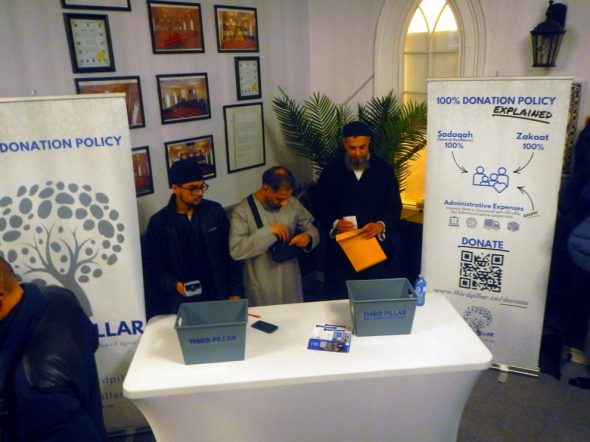
Brother Zaihan Rashid visiting from Islamic Centre of Bowmanville appealing to the Bramalea Islamic Cultural Centre Congregation in-between Isha and Taraweeh Prayers.
  • ICBMasjid.com/Donate
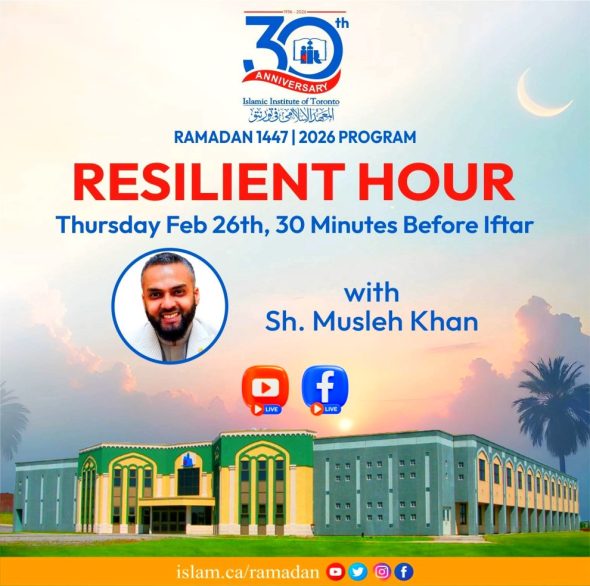
  • “Join us for our second Resilient Hour featuring Shaikh Mamoun Hasaan, program begins at 5:15 pm.”

    Islamic Institute of Toronto (IIT)

    “Celebrate a special Ramadan evening with the community at our flagship Saturday Iftar and Lecture hosted by the Islamic Institute of Toronto as we mark our 30th Anniversary of service and dedication.

    Join us for a spiritually uplifting night featuring:

    When: Saturday, February 21st, 2026
    Time: Program Begins at 5:00 PM
    Speaker: Sh. Mamoun Hassan

    • A meaningful Ramadan reminder
    • Iftar dinner served in a warm, welcoming atmosphere
    • A beautiful opportunity to gather with family, friends, and community

    This Ramadan, reconnect your heart, strengthen your faith, and share the blessings of breaking fast together. Whether you attend regularly or it’s your first time visiting, we welcome you to be part of this evening.

    May Allah make it a night filled with barakah, reflection, and unity.”

    Islamic Institute of Toronto (IIT)

    First Friday Qhutbah of Ramadan 2026

    “Ramadan; The School of Taqwa and the Rebuilding of the Soul”

    Shaikh Ahmad Kutty

    Islamic Institute of Toronto

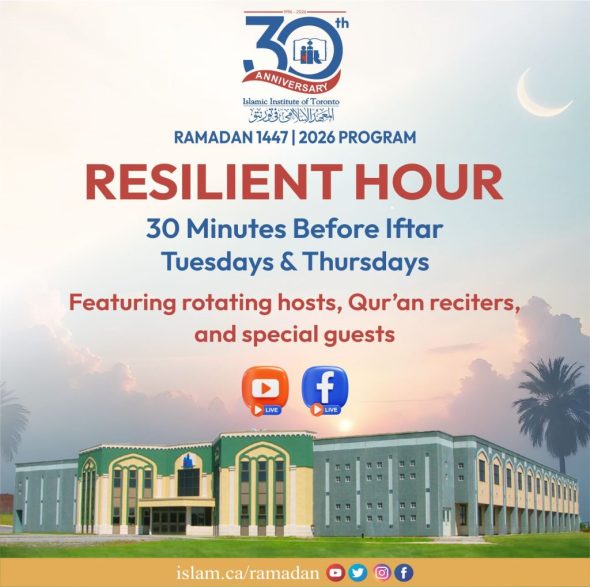
    Islamic Institute of Toronto‘s first Resilient Hour of Ramadan 1447/2026 features Imam Zijad Delić.


    Flowers and messages are placed outside the Quebec City mosque in the days after the mass shooting on Jan. 29, 2017. Nine years later, what have we learned, asks Samer Majzoub of the Canadian Muslim Forum. ( PHOTO BY ALICE CHICHE )

    By Samer Majzoub

    On the evening of Jan. 29, 2017, my phone rang.

    Friends in Quebec City were calling, their voices trembling with fear.

    They said they could hear gunfire coming from inside the Islamic Cultural Centre.

    At first, it was impossible to understand.

    Then, in an unbearable instant, the truth became clear: six men had been shot dead while they were praying.

    Fathers, sons, brothers, husbands — gone in the coldest of violent hateful acts.

    They were Quebecers.

    They were killed during one of the most peaceful moments of human life.

    Their only “fault” was being citizens of Muslim faith.

    In an instant, 17 children were left without a parent.

    The shock extended far beyond the Muslim community.

    Quebecers and Canadians of diverse backgrounds struggled to comprehend how such an act could occur here.

    That night, we were drawn into non-stop media interviews, local and international.

    The same question kept returning: How could this happen in Canada?

    The answer was neither mysterious nor sudden.

    It lay in a climate where hate had been allowed to grow.

    Islamophobia had been minimized or dismissed.

    Inflammatory rhetoric, including from public figures, had steadily entered mainstream discourse.

    Words, repeated often enough, shape attitudes. Attitudes, left unchallenged, can lead to violence.

    Quebec and Canada had witnessed an unspeakable act of terrorist violence.

    Yet, years later, we still struggle to confront the underlying causes with the seriousness it requires.

    As we mark another anniversary on Jan. 29, the central question remains: What have we learned?

    Nine years later, the evidence suggests: not enough.

    Citizens of Muslim faith and other communities across the country continue to report hate incidents and violence, harassment, threats and vandalism.

    Religious and community institutions remain concerned about security.

    Public debates around identity and “secularism” too often drift into language that portrays communities as suspect or incompatible.

    While disagreement is central to democracy, persistent stigmatization carries consequences.

    This is not about suppressing debate or limiting free expression.

    It is about responsibility.

    Political leaders, commentators and institutions must recognize that language matters.

    When communities are framed as problems to be managed, trust erodes.

    When fear becomes a political tool, social cohesion weakens.

    Jan. 29 should not be viewed solely as the act of a single individual.

    It represented the most extreme outcome of an environment in which Muslim Quebecers and Canadians were frequently discussed as threats rather than as fellow citizens.

    Violence does not emerge in a vacuum; it takes root where dehumanization is tolerated.

    Commemoration alone is insufficient.

    Remembrance must be paired with action.

    That action begins with education.

    Schools play a critical role in fostering media literacy, critical thinking and respect for difference.

    Young people must be equipped to recognize and challenge stereotypes before they harden.

    It also requires political leadership.

    Elected officials must resist the temptation to exploit fear or division for short-term gain.

    Clear and consistent opposition to racism and religious hatred is essential.

    Media institutions, too, carry responsibility.

    Coverage that is accurate, contextual and humanizing strengthens public understanding and social trust.

    Above all, the six men who were killed must be remembered as individuals, not symbols.

    They were members of our society whose lives were taken in an act of hatred that continues to affect families and communities.

    We in Quebec and across Canada often affirm our commitment to equality, dignity and social peace.

    Those values are tested not in words, but in practice.

    Jan. 29, 2017, was such a test.

    The real measure of our response lies in whether we reduce the conditions that allow hatred to escalate into violence.

    Honouring the victims means ensuring that no one is targeted because of their faith or identity.

    It means rejecting rhetoric that divides and choosing discourse that strengthens social cohesion.

    “Never again” must be more than a phrase. It must be a sustained commitment.

    Mosques, synagogues, churches and community centres have been vandalized, threatened, and attacked.

    No democracy can tolerate intimidation that seeks to silence people or prevent them from worshipping, gathering or belonging.


    Samer Majzoub is co-founder and president of the Canadian Muslim Forum, a Montreal-based national organization dedicated to promoting inclusion, dialogue, civic engagement and active citizenship.

    Flowers were everywhere on July 26, 2011, four days after Norway’s unprecedented terrorist attack. Known as the 'Tiger City,' even the bronze statue outside the train station was adorned with roses.
    Flowers were everywhere on July 26, 2011, four days after Norway’s unprecedented terrorist attack. Known as the “Tiger City,” even the bronze statue outside the train station was adorned with roses.

    Bullet holes and blood stains are shown inside a Quebec City mosque on Feb. 1, 2017. Worshippers were returning to the scene of the mosque shooting to view the aftermath of the carnage.
    Bullet holes and blood stains are shown inside a Quebec City mosque on Feb. 1, 2017. Worshippers were returning to the scene of the mosque shooting to view the aftermath of the carnage.


    By Amira Elghawaby

    The bullet holes left in the walls of the Quebec City mosque after the fatal attack nine years ago have been painted over.

    The green carpet once soaked with the blood of six men, deliberately gunned down as they prayed, has been replaced.

    As Mohamed Labidi, then president of the mosque explained to a reporter, the community wanted to move forward — to reclaim the space and begin healing from an unimaginable loss.

    That impulse is both understandable and necessary.

    Jan. 29, 2017 marked the moment when long-held fears about the rising tide of Islamophobia and hatred became brutally real, shattering that bitterly cold winter evening.

    It devastated families, leaving 17 children without their fathers.

    However, moving on does not mean forgetting.

    It’s why Canadians now observe the National Day of Remembrance of the Quebec Mosque Attack and Action to Combat Islamophobia by wearing a green square and learning how to be allies.

    But is that enough?

    As a society, we must ask ourselves whether Quebec City residents, Quebecers, and indeed all Canadians are missing a vital opportunity: to educate young people about the clear dangers — and potentially deadly consequences — of hate, Islamophobia and violent extremism.

    There is much we can learn from Norway, a country which has also experienced lethal hate.

    Oslo, like Quebec City, is a place where violent extremism has profoundly shaken the nation’s sense of safety and peaceful coexistence, exposing the very real threat posed by white supremacist, far-right, anti-democratic, and Islamophobic movements.

    On July 22, 2011, Norway watched in horror as the deadliest incident since the Second World War unfolded on their territory.

    A 32-year-old self-radicalized man detonated a car bomb near the office of the prime minister, killing eight people.

    He then travelled to a nearby island where the Norwegian Labour party was holding its annual youth camp.

    Disguised as a police officer, he murdered 69 people, mostly teenagers.

    His manifesto seethed with hatred toward Muslims, women and democracy itself.


    People gather to show support, outside the mosque Islamic Cultural Centre in Oslo, Sunday, Aug. 11, 2019.

    Eight years later, on Aug. 10, 2019, another self-radicalized young man targeted a mosque in Bærum, outside Oslo.

    Armed and also driven by hatred of Muslims, he entered the Al-Noor Mosque and opened fire.

    Three elderly worshippers managed to stop him until police arrived.

    Authorities later confirmed that earlier that same day, he had murdered his adopted stepsister, a young woman of Chinese origin, because of her race.

    In Norway, this painful history is taught and confronted.

    Thousands of Norwegians — and visitors from around the world — learn about these attacks through the July 22 Memorial and Learning Centres, located in downtown Oslo and on the island.

    The Al-Noor Mosque, while remaining a functioning place of worship, has expanded to house the Aug. 10 Foundation.

    Students are guided through the mosque and shown the places where bullets pierced the carpet and walls, covered in black tiling to mark the damage.

    They then visit the adjoining centre, where the shattered mosque door and sections of bullet-riddled walls are permanently displayed.

    Students watch a haunting video of the murdered stepsister speaking powerfully about the need to confront hate.

    Young people are encouraged to explore themes of violent extremism, the dangers of dehumanizing the “other” and what these ideologies mean for the future of a diverse, inclusive, and democratic society.

    Messages of love, grief, solidarity and hope are written on sticky notes and placed on the walls.

    Polarization, division and extremism are increasing, particularly among youth as highlighted recently by the Canadian government and the need for sustained, multi-pronged approaches to counter these trends remains urgent.

    Norway’s Action Plan to Combat anti-Muslim Racism explicitly highlights its investments in education, including the Aug. 10 Foundation.

    Canada must invest in similar initiatives that require support.

    Remembrance should not only honour the past — it should equip future generations with the tools to prevent history from repeating itself.

    Amira Elghawaby is Canada’s Special Representative on Combatting Islamophobia | La représentante spéciale du Canada chargée de la lutte contre l’islamophobie

    ( For some reason, the volume control may not appear on the livestream screen.

    To turn the sound on, start playing the video, then hover your mouse over the video, right click and then toggle “Show controls” on the pop-up dialog box menu, until you see a check mark beside it.

    You should now see the volume icon, likely muted, click on it, and InshAllah, you can turn on the volume and also full-size the video if you want. – HiMY )

    11 h 30
    Conférence 1
    Eduardo Alves Dos Anjos, Mohamed El Hafid, Souheil Hassin
    Titre : L’union dans l’action : une obligation incontournable pour lutter contre l’islamophobie

    13 h 30
    Conférence 2
    Abdelbasset Benaïssa et Mohamed Labidi
    Titre : La parole des khotabas : une contribution essentielle à l’union

    15 h 15
    Conférence 3
    Amel Henchiri et Aymen Derbali
    Titre : S’unir pour lutte contre l’islamophobie 9 ans après


    20 h 00

    Livestream : facebook.com/CentreCulturelIslamiqueDeQuebec/videos/2643058889412162/

    ( For some reason, the volume control may not appear on the livestream screen above. To turn it on, hover your mouse over the screen, right click and then toggle “show controls” until you see a check mark beside it. You should see the volume icon, likely muted, so click on it, and InshAllah, you can turn on the volume and also full-size the video if you want. — HiMY)

    9ᵉ Commémoration de l’attentat de la Grande Mosquée de Québec

    29, 30 et 31 janvier 2026

    Trois journées de mémoire, de recueillement et d’union pour honorer les victimes de l’attentat du 29 janvier 2017.

    Jeudi 29 janvier 2026 – Temps officiel de commémoration
    Organisé par la Ville de Québec (sur invitation de la ville seulement)

    17 h à 18 h
    ️ Commémoration officielle

    Ex-Hôtel de ville de Sainte-Foy
    Édifice Andrée-P.-Boucher

    1130, route de l’Église, Québec (G1V 4X6)
    Vendredi 30 janvier 2026 – Sous le thème de l’UNION

    Grande Mosquée de Québec
    2877, chemin Sainte-Foy, Québec

    18 h
    Projection publique du film
    « La Mosquée – Une communauté menacée »

    19 h – 19h30
    Discussion et échanges avec le public
    Samedi 31 janvier 2026 – Journée communautaire et spirituelle

    Grande Mosquée de Québec
    2877, chemin Sainte-Foy, Québec

    10 h
    Accueil, portes ouvertes et conférences publiques

    11 h 30
    Conférence 1
    Eduardo Alves Dos Anjos, Mohamed El Hafid, Souheil Hassin
    Titre : L’union dans l’action : une obligation incontournable pour lutter contre l’islamophobie

    13 h
    Prière du Dhohr

    13 h 30
    Conférence 2
    Abdelbasset Benaïssa et Mohamed Labidi
    Titre : La parole des khotabas : une contribution essentielle à l’union

    15 h
    Prière du Asr

    15 h 15
    Film / Conférence (détails à venir)

    17 h
    Prière du Maghreb

    17 h 30
    ️ Couscous communautaire – moment de partage et de fraternité

    18 h 30
    ️ Sermon : L’union des cœurs, de la parole et de l’action
    Cheikh Fouad

    19 h 30
    Prière du Ichaa

    21 h
    Clôture et douaa

    « Aujourd’hui marque le neuvième anniversaire de l’attentat perpétré contre la Grande mosquée de Québec, le 27 janvier 2017.

    Nous vous invitons à observer un moment de recueillement à la mémoire de

    Ibrahima Barry

    Mamdou Tanou Barry

    Khaled Belkacemi

    Abdelkrim Hassane

    Azzeddine Soufiane

    Aboubaker Thabti

    Nous pensons à leurs familles et à leurs proches.

    Nous pensons aux nombreux blessés et rescapés, à toutes celles et ceux qui vivent avec les blessures physiques et psychologiques causées par la terreur.

    Nous pensons à toutes les personnes à qui cet attentat a fait sentir qu’elles n’avaient pas leur place au Québec.

    En cette journée de commémoration, nous réaffirmons notre engagement collectif contre l’islamophobie, le racisme et toutes les formes de discrimination.

    Ne nous laissons pas berner par la banalisation de politiques de division qui ciblent les minorités religieuses, les personnes racisées ou immigrantes.

    Tendons plutôt la main à toutes les personnes à qui ces politiques font sentir qu’elles n’ont pas leur place au Québec.

    En cette journée de mémoire, souvenons-nous que notre solidarité, les un·es envers les autres, demeure notre plus grande force pour résister à la montée des idéologies racistes, suprémacistes et d’extrême droite.

    29 janvier, je me souviens »

    Commémoration citoyenne de l’attentat de la Grande Mosquée de Québec