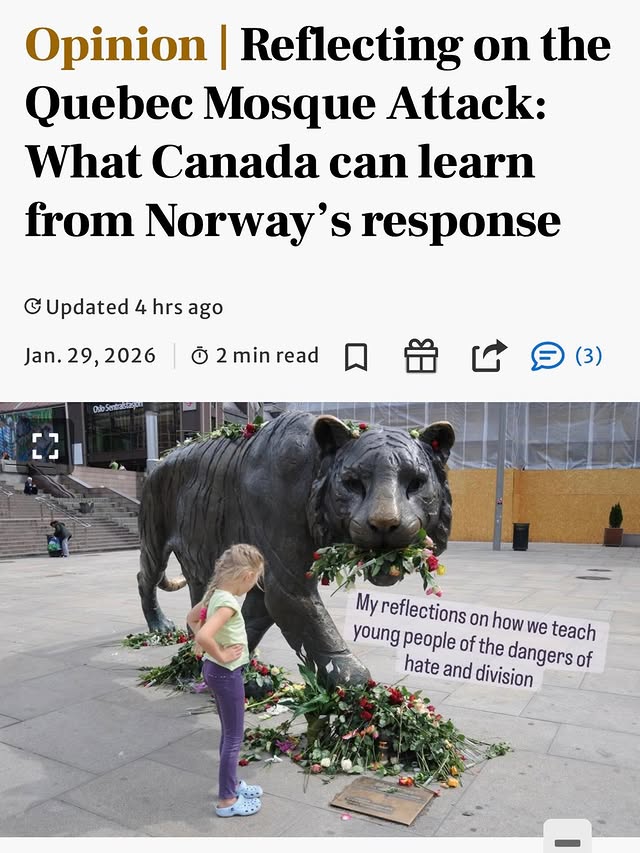
Flowers were everywhere on July 26, 2011, four days after Norway’s unprecedented terrorist attack. Known as the “Tiger City,” even the bronze statue outside the train station was adorned with roses.
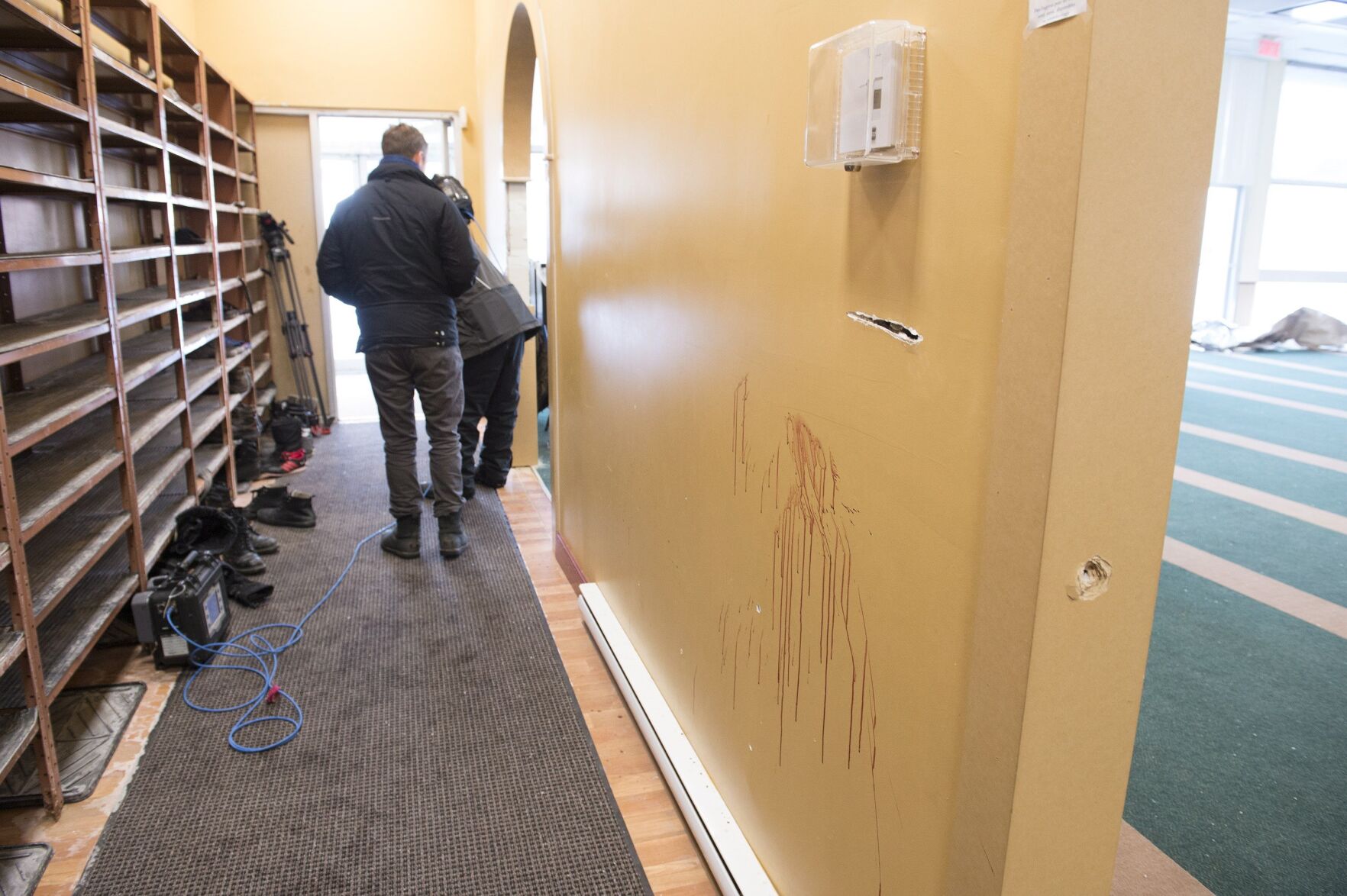
Bullet holes and blood stains are shown inside a Quebec City mosque on Feb. 1, 2017. Worshippers were returning to the scene of the mosque shooting to view the aftermath of the carnage.
The bullet holes left in the walls of the Quebec City mosque after the fatal attack nine years ago have been painted over.
The green carpet once soaked with the blood of six men, deliberately gunned down as they prayed, has been replaced.
As Mohamed Labidi, then president of the mosque explained to a reporter, the community wanted to move forward — to reclaim the space and begin healing from an unimaginable loss.
That impulse is both understandable and necessary.
Jan. 29, 2017 marked the moment when long-held fears about the rising tide of Islamophobia and hatred became brutally real, shattering that bitterly cold winter evening.
It devastated families, leaving 17 children without their fathers.
However, moving on does not mean forgetting.
It’s why Canadians now observe the National Day of Remembrance of the Quebec Mosque Attack and Action to Combat Islamophobia by wearing a green square and learning how to be allies.
But is that enough?
As a society, we must ask ourselves whether Quebec City residents, Quebecers, and indeed all Canadians are missing a vital opportunity: to educate young people about the clear dangers — and potentially deadly consequences — of hate, Islamophobia and violent extremism.
There is much we can learn from Norway, a country which has also experienced lethal hate.
Oslo, like Quebec City, is a place where violent extremism has profoundly shaken the nation’s sense of safety and peaceful coexistence, exposing the very real threat posed by white supremacist, far-right, anti-democratic, and Islamophobic movements.
On July 22, 2011, Norway watched in horror as the deadliest incident since the Second World War unfolded on their territory.
A 32-year-old self-radicalized man detonated a car bomb near the office of the prime minister, killing eight people.
He then travelled to a nearby island where the Norwegian Labour party was holding its annual youth camp.
Disguised as a police officer, he murdered 69 people, mostly teenagers.
His manifesto seethed with hatred toward Muslims, women and democracy itself.
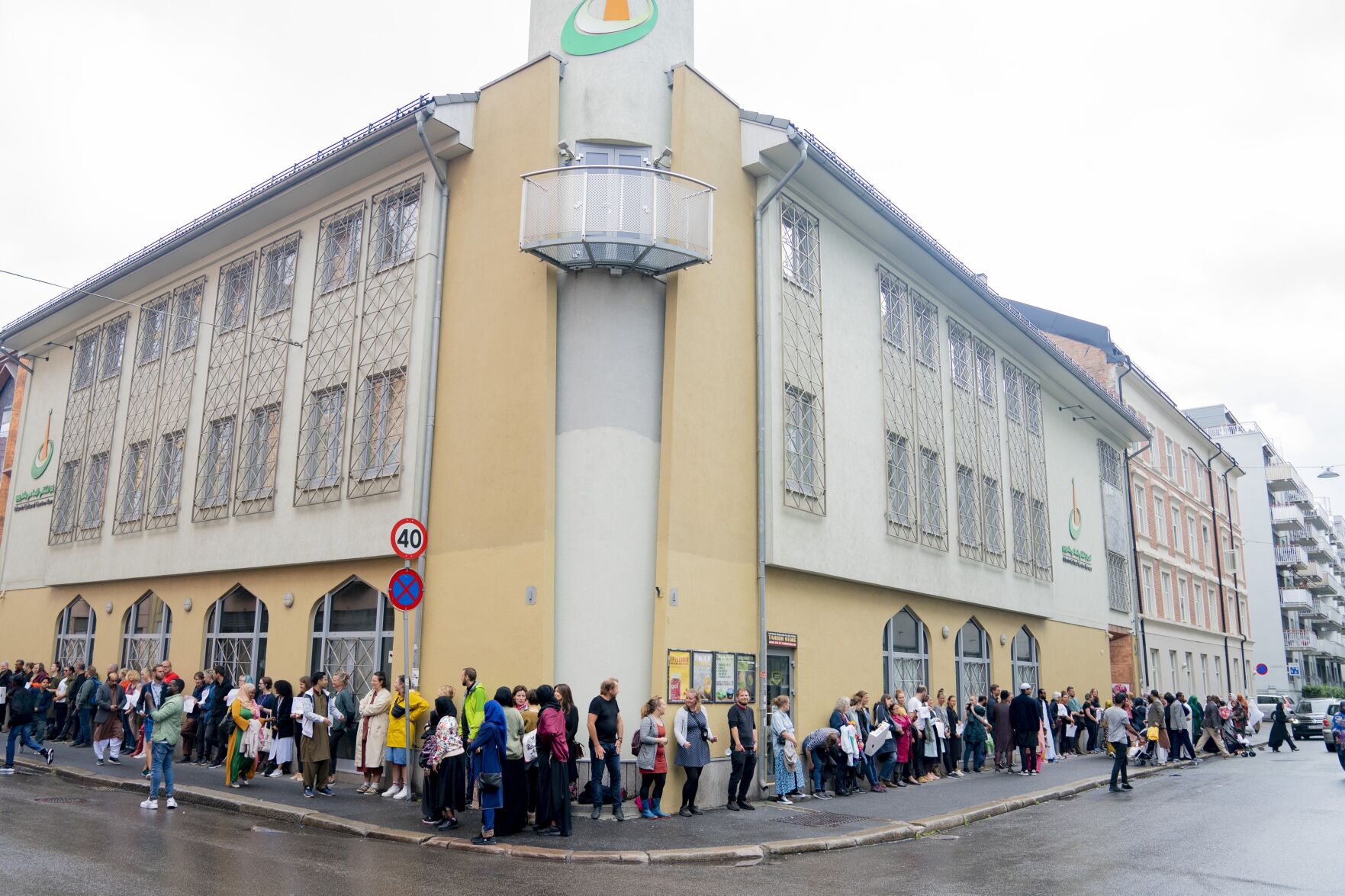
People gather to show support, outside the mosque Islamic Cultural Centre in Oslo, Sunday, Aug. 11, 2019.
Eight years later, on Aug. 10, 2019, another self-radicalized young man targeted a mosque in Bærum, outside Oslo.
Armed and also driven by hatred of Muslims, he entered the Al-Noor Mosque and opened fire.
Three elderly worshippers managed to stop him until police arrived.
Authorities later confirmed that earlier that same day, he had murdered his adopted stepsister, a young woman of Chinese origin, because of her race.
In Norway, this painful history is taught and confronted.
Thousands of Norwegians — and visitors from around the world — learn about these attacks through the July 22 Memorial and Learning Centres, located in downtown Oslo and on the island.
The Al-Noor Mosque, while remaining a functioning place of worship, has expanded to house the Aug. 10 Foundation.
Students are guided through the mosque and shown the places where bullets pierced the carpet and walls, covered in black tiling to mark the damage.
They then visit the adjoining centre, where the shattered mosque door and sections of bullet-riddled walls are permanently displayed.
Students watch a haunting video of the murdered stepsister speaking powerfully about the need to confront hate.
Young people are encouraged to explore themes of violent extremism, the dangers of dehumanizing the “other” and what these ideologies mean for the future of a diverse, inclusive, and democratic society.
Messages of love, grief, solidarity and hope are written on sticky notes and placed on the walls.
Polarization, division and extremism are increasing, particularly among youth as highlighted recently by the Canadian government and the need for sustained, multi-pronged approaches to counter these trends remains urgent.
Norway’s Action Plan to Combat anti-Muslim Racism explicitly highlights its investments in education, including the Aug. 10 Foundation.
Canada must invest in similar initiatives that require support.
Remembrance should not only honour the past — it should equip future generations with the tools to prevent history from repeating itself.
Amira Elghawaby is Canada’s Special Representative on Combatting Islamophobia | La représentante spéciale du Canada chargée de la lutte contre l’islamophobie
